

Blog: finance and real estate made simple
Articles and insights to help you navigate and grow
The Best Investment for Old Age? Strong Family Relationships.
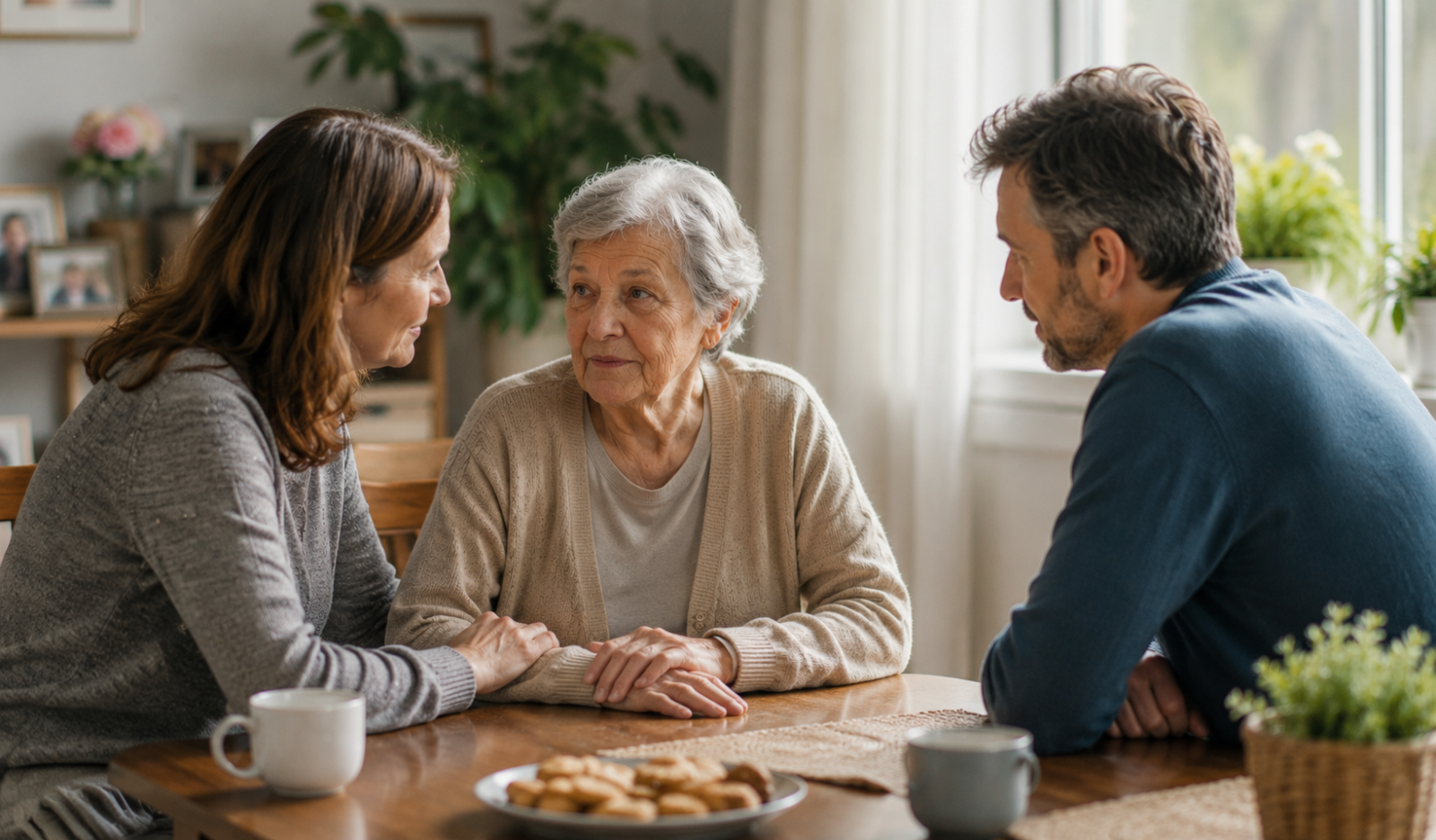
In the Czech Republic, the number of people who will require long-term care is growing rapidly. According to estimates by the Ministry of Labour and Social Affairs, the number of people aged 80 and over is expected to double by 2050. At the same time, the capacity of residential care facilities is already insufficient, and most experts agree that families will have to play an increasingly important role in caring for their loved ones.
Building strong family relationships takes time, patience, and effort. Yet later in life, it often proves to be one of the best investments a person can make.
The relationships we nurture throughout our lives return to us as support, closeness, and the reassurance that we are not facing life's challenges alone.
Strong family relationships have a profound impact on both quality of life and the care of elderly people who become dependent on others. They provide not only practical assistance but also emotional support and a sense of security.
The benefits include:
- Emotional support – Regular contact with family reduces loneliness and anxiety and may help prevent depression.
- Practical assistance – Family members can help with shopping, cooking, housekeeping, transportation to medical appointments, or administering medication.
- Faster response in emergencies – Loved ones are often the first to notice changes in health and can ensure timely medical attention.
- Better cooperation with professional caregivers – Family members can share valuable information about the senior's needs and participate in care planning.
- Preserving dignity and independence – Support from loved ones enables seniors to remain in familiar surroundings for longer while maintaining greater independence.
- Encouraging an active lifestyle – Family visits, conversations, and shared activities help support both physical and mental well-being.
- A sense of belonging and purpose – Knowing that one remains an important part of the family significantly contributes to life satisfaction.
In the past, it was generally taken for granted that children would care for their ageing parents. But what about today?
Research shows that, after Poland, the Czech Republic ranks second in the European Union in the proportion of people providing home care for family members. Czechs continue to place great value on family solidarity.
At the same time, however, lifestyles have changed. People work longer hours, carry mortgages, and juggle numerous responsibilities. Many genuinely want to care for their loved ones but find that the system does not provide sufficient support. Community-based care services remain limited, making it difficult for families to keep elderly relatives at home for as long as possible.
That is why caregiving should never become the responsibility of just one family member.
Care should not lead to burnout. Looking after yourself is not selfish—it is essential, because someone who becomes completely exhausted can no longer provide quality care.
Open communication within the family, combined with appropriate use of home care services, respite care, or residential facilities when needed, can prevent caregiver burnout while ensuring that seniors receive consistent, high-quality long-term care.
Overall, strong family relationships play a major role in helping elderly people experience later life with greater dignity, safety, and quality of life.
There Is Another Dimension We Rarely Talk About: Money
Alongside the emotional and practical aspects of caregiving lies another important factor that often receives far less attention—financial preparedness.
Quality nursing homes, assisted living facilities, and specialized dementia care centres are expensive. Total monthly care costs can easily reach several thousand euros. Accommodation and meals usually represent only part of the overall expense. Additional costs include nursing care, rehabilitation, assistance with everyday activities, medical equipment, and round-the-clock professional support.
Although health insurance and government care allowances cover part of these expenses, families often need to finance the remaining costs themselves.
As a result, many families face difficult decisions. One family member may reduce working hours or even leave employment altogether in order to provide care. This affects not only current household income but also future pension contributions and long-term financial security.
Caring for one loved one can influence the financial situation of an entire family for many years.
Financial Preparation Is an Act of Responsibility
Preparing financially for old age is not an act of selfishness. On the contrary, it is a responsibility toward your children and loved ones.
People who build financial reserves, invest, or save during their working years are ultimately buying something invaluable: the freedom to choose.
Savings can help finance home care services, personal assistants, rehabilitation, or respite care. As a result, family members do not have to carry the entire burden of caregiving alone. Instead, they can remain what they truly are—a family—offering love, companionship, and emotional support rather than becoming exhausted full-time caregivers.
Financial reserves also improve quality of life beyond periods of dependency. Later life often brings expenses that significantly enhance well-being, including rehabilitation stays, spa treatments, physiotherapy, high-quality mobility aids, home modifications, or extended stays in warmer climates that help relieve joint and mobility problems.
For some people, these costs amount to several thousand euros each year; for others, they become a regular part of retirement spending. Planning ahead ensures these expenses do not become a burden for children or grandchildren.
Ultimately, this is about far more than money.
It is about maintaining freedom of choice, preserving dignity, and showing consideration for those we love.
Strong family relationships are irreplaceable—but they are not enough on their own.
When combined with responsible financial planning, they create a foundation that provides seniors with greater security while allowing their families to offer support out of love rather than financial necessity.
A Real-Life Example
One client purchased long-term care insurance covering dependency levels III and IV at the age of 60, including a lifetime monthly benefit.
- At age 77, she was diagnosed with moderate Alzheimer's disease and was later officially assessed as requiring Level III long-term care. She needed assistance with household tasks, cooking, shopping, and personal care.
- Her daughter left her job to become her primary caregiver.
- The insurance policy paid a monthly benefit of CZK 20,000, increasing the daughter's available caregiving income from the government care allowance of CZK 14,800 to a combined monthly income of CZK 34,800—almost fully replacing her lost salary.
- Five years later, the client's condition deteriorated significantly. She experienced severe mobility problems, difficulty eating, loss of recognition of family members, and challenging behavioural symptoms. Although the government care allowance increased to CZK 23,000 under Level IV dependency, home care was no longer sustainable.
- The family decided to move her to a specialist care facility, where monthly costs were approximately CZK 50,000.
Thanks to the continuing insurance benefit of CZK 20,000 per month, together with her pension and the government care allowance, the family was able to afford high-quality professional care that would otherwise have been financially out of reach.
The client received the expert care she needed while preserving both her dignity and her family's financial stability.
If you would like advice on building an appropriate financial reserve for retirement or preparing for the possibility of long-term care, don't wait.
Time is the one investment you can never buy back.

Kalkulačka
Calculate
-
Monthly rent
Next step with Stone & belter
Get advice and start now!
Stone & belter blog
Similar articles
Category


09.12.2025
DIP Through the Eyes of a Business Owner: Where the Real Tax Savings Lie in 2025
Ing. Marek Jůzl, EFP
08.12.2025
Don’t leave money on the table — claim your 2025 retirement tax deductions
Tomáš Seidel MBA


09.07.2025
How Can Foreigners in the Czech Republic Save Smartly for Retirement? Get to Know DIP and DPS
Ing. Lukáš Cinko

16.09.2024
DIP: An Investment Product for Retirement for Everyone – from Employees to Millionaires to Rentiers
Ondřej Marek
02.05.2024
Watch Out for the State Contribution of 4,080 CZK (€163.20) in Pension Savings from 1 July 2024
Ondřej Marek
07.12.2023
Major Updates and Changes in 2024 in Building Savings, Mortgages, Insurance, and Pension Savings
Ondřej Marek


09.12.2025
DIP Through the Eyes of a Business Owner: Where the Real Tax Savings Lie in 2025
Ing. Marek Jůzl, EFP08.12.2025
Don’t leave money on the table — claim your 2025 retirement tax deductions
Tomáš Seidel MBA09.07.2025
How Can Foreigners in the Czech Republic Save Smartly for Retirement? Get to Know DIP and DPS
Ing. Lukáš Cinko16.09.2024
DIP: An Investment Product for Retirement for Everyone – from Employees to Millionaires to Rentiers
Ondřej Marek02.05.2024
Watch Out for the State Contribution of 4,080 CZK (€163.20) in Pension Savings from 1 July 2024
Ondřej Marek07.12.2023
Major Updates and Changes in 2024 in Building Savings, Mortgages, Insurance, and Pension Savings
Ondřej Marek07.12.2023
Major Updates and Changes in 2024 in Building Savings, Mortgages, Insurance, and Pension Savings
Ondřej Marek