
Pay Yourself First

“I don’t have any money left for that.”
That’s a sentence I hear very often in my practice. And honestly — most of the time, it’s true. Housing costs, utilities, children, transportation, food… people pay for everything around them, and there’s nothing left for their own goals.
Then I sometimes say: “Start by paying yourself first.”
And the same reaction often follows: “But with what money?”
And that’s exactly where it’s important to understand what this idea actually means.
It’s not about spending money on yourself. It’s about thinking about your future too.
Imagine your monthly income as a budget for one evening. You invite all the “guests” to the table who are waiting for their share:
- mortgage or rent
- utilities
- food
- transportation
- phone bills
- children
- restaurants
- hobbies
- loan repayments
- small everyday expenses.
Everyone gets their portion. And when you finally want to keep something for yourself — there’s nothing left.
That’s how many households operate. The entire income disappears, but not toward their own future. We pay everyone else, but not ourselves.
And that’s the core of the idea behind “pay yourself first.”
It doesn’t mean buying yourself something extra. It doesn’t mean living selfishly. And it certainly doesn’t mean giving up everything you enjoy.
It means one thing only:
Including yourself, your goals, and your future in your budget.
Because if there is never room in our finances for an emergency fund, personal capital, or long-term goals, we will spend our entire lives dependent on outside help — loans, credit, or financial stress.
“But what if I truly have nothing left?”
And that is a completely legitimate question. Not everyone today has the ability to set aside thousands of crowns every month. And it’s not fair to blame people for not building savings if they are barely covering everyday life.
But that is exactly when it makes sense to pause and look at the situation differently.
Not by asking: “Why aren’t you saving?”
But rather: “Is my current setup sustainable in the long term?”
Sometimes the problem is not one major expense, but the fact that someone has been operating for years without a system. Without clarity. Without room for the future.
And sometimes it’s necessary to honestly ask yourself:
- Are all my expenses really necessary?
- Am I overpaying for services or loans?
- Am I living beyond my means in the long run?
- Do I need to change my income, my job, or the financial setup of my household?
These are not easy questions. But they are often the ones that lead to the first real change.
One example from practice.
A client once told me he wanted to buy a new car within five years. At the same time, he insisted he had no room to save for it.
So I asked him:
“And how are you planning to buy it?”
“I’ll take out a loan.”
“And how will you repay the loan if you don’t have any free money today?”
There was silence for a moment.
And that’s when he realized something important:
He would probably find the money for loan repayments. But not for himself or his own reserve fund.
That’s a very common paradox. Many people are capable of making regular payments to a bank, but unable to regularly build their own capital.
The goal is not a perfect budget. The goal is gaining control.
Not everyone will start saving ten thousand crowns a month. And they don’t have to.
What matters is starting to think differently:
- having clarity,
- building at least a small emergency reserve,
- not relying solely on loans,
- starting to build something of your own.
Because financial security is not created overnight. It is built through small decisions made consistently over time. And sometimes the first step is not “starting to invest,” but simply understanding where the money is actually going.
So what can you do about it?
If today you feel like there is “nothing left for yourself,” it doesn’t automatically mean you are doing something wrong.
You may simply need to:
- set up your budget better,
- find reserves in your spending,
- adjust disadvantageous contracts,
- create a plan,
- or simply go through what is realistically possible with someone.
Because the solution often does not begin with a higher income. It begins with greater clarity. And that is exactly what we can help with.

Kalkulačka
Calculate
-
Monthly payment
Next step with Stone & belter
Stone & belter blog
Similar articles
Category



12.10.2026
The Challenges of Buying a Third Property: How Financing Rules Are Changing?
Mgr. Petra Šichová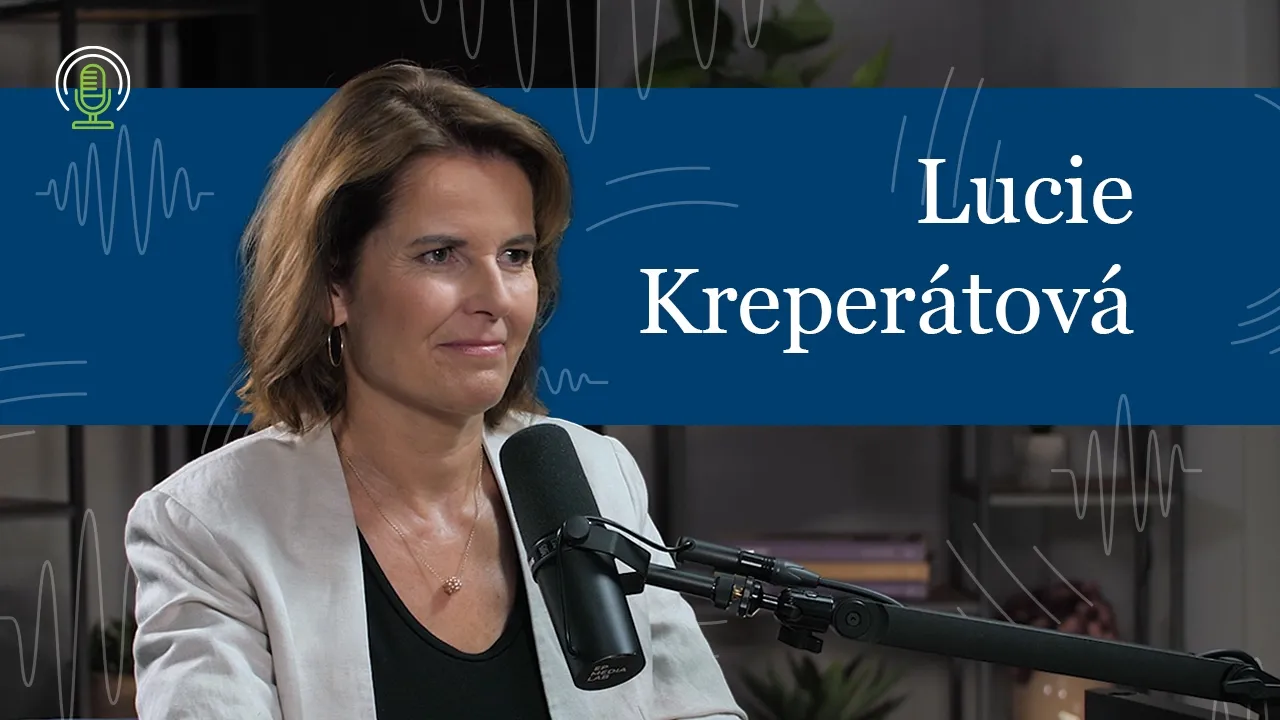
05.10.2026
From Banker to Advisor: What It’s Like to Start from Scratch After 20 Years
Ing. Lucie Kreperátová


10.09.2026
A Well-Planned Business Owner’s Reserve: Idle Cash or Peace of Mind?
Ing. Marek Jůzl, EFP
19.08.2026
From Elite Sports to Financial Freedom: Why Is It Crucial to Listen to What the Client Isn’t Saying?
Petr Seibot
18.08.2026
Young People and Homeownership: An Unattainable Dream or a Matter of Planning?
Ondřej Marek



05.08.2026
How Investment Selection Reveals Whether a Financial Advisory Firm Is Truly Independent
Ondřej Marek
21.07.2026
Summer is full of great experiences. Just don't let any of them become unnecessarily expensive.
Ing. Tomáš Matucha
12.10.2026
The Challenges of Buying a Third Property: How Financing Rules Are Changing?
Mgr. Petra Šichová
05.10.2026
From Banker to Advisor: What It’s Like to Start from Scratch After 20 Years
Ing. Lucie Kreperátová19.08.2026
From Elite Sports to Financial Freedom: Why Is It Crucial to Listen to What the Client Isn’t Saying?
Petr Seibot05.08.2026
How Investment Selection Reveals Whether a Financial Advisory Firm Is Truly Independent
Ondřej Marek21.07.2026