
5 Rules That Teach Kids How to Manage Money

Kids. What Wouldn't We Do for Them? As parents, we'd do almost anything for our children. But one of the greatest gifts we can give them isn't another toy or gadget—it's a solid foundation in financial literacy. The lessons below are designed for kids, but you might find they're just as useful for adults.
One challenge many young people face today is expecting everything instantly. I often call them the "instant generation." Learning that not everything can—or should—be available immediately is one of the most valuable life lessons.
Let's teach our children a few simple rules they'll benefit from for years to come. You don't have to implement every single one—even adopting just one or two is better than none.
1. Money Doesn't Grow on Trees
Don't simply hand your children an allowance with no expectations. That doesn't mean they shouldn't receive money—it means money should come with responsibility.
Whether it's helping around the house, mowing the lawn, earning good grades, or completing other age-appropriate tasks, let them experience that money is earned. How you track their progress is entirely up to you: sticker charts, checklists, apps, or anything else that works for your family.
2. Save 10%
Teach your children to save from the very beginning.
Whether they receive 200 CZK or 2,000 CZK in allowance, encourage them to put aside 10% every time.
For example, if a child receives 500 CZK each month and saves 50 CZK, they'll have 600 CZK saved after one year—more than an entire month's allowance.
This simple habit teaches them to build wealth instead of spending everything they receive.
3. Money Can Work for You
Open a savings account for your child—or even create a simple "bank" on paper—and pay them interest on their savings.
This helps them understand two important ideas:
Money can generate more money.
Patience is rewarded.
Just as a seed doesn't become a fruit-bearing tree overnight, money doesn't double overnight either.
Here's one way to set it up:
- Pay your child 1% interest each month on their savings balance.
- Let them deposit money whenever they like.
- Allow withdrawals only once a month (for example, on the last day of the month).
- If they withdraw money at another time, they don't earn interest for that month.
One percent per month may not sound like much, but let's look at what happens when a child starts with 10,000 CZK in savings.
| Month | Balance | Interest in CZK |
| 1 | 10,000.00 Kč | 100.00 Kč |
| 2 | 10,100.00 Kč | 101.00 Kč |
| 3 | 10,201.00 Kč | 102.01 Kč |
| 4 | 10,303.01 Kč | 103.03 Kč |
| 5 | 10,406.04 Kč | 104.06 Kč |
| 6 | 10,510.10 Kč | 105.10 Kč |
| 7 | 10,615.20 Kč | 106.15 Kč |
| 8 | 10,721.35 Kč | 107.21 Kč |
| 9 | 10,828.57 Kč | 108.29 Kč |
| 10 | 10,936.85 Kč | 109.37 Kč |
| 11 | 11,046.22 Kč | 110.46 Kč |
| 12 | 11,156.68 Kč | 111.57 Kč |
| Total | 11,268.25 Kč | 1,268.25 Kč |
Ending balance: 11,268.25 CZK
Because the interest compounds every month, the effective annual return is about 12.7% p.a. In other words, thanks to patience alone, their money earned them 1,268 CZK without any additional effort.
4. Contribute to the Things You Really Want
If your child wants something significantly more expensive than what you would normally buy, ask them to pay part of the cost.
This isn't about whether you can afford it—it's about teaching them that things have value.
We're not talking about necessities. If your child needs new sneakers, you might be happy to spend 1,500 CZK. But if they want a designer pair that costs 4,000 CZK, let them contribute toward the difference.
Whether they pay 10% or 1,000 CZK is entirely up to you. The important lesson is that premium choices come with personal responsibility.
5. Once the Money Is Gone, It's Gone
This rule may sound unusual, but it's incredibly important.
Imagine you've given your child money to buy the new phone they've been dreaming about. Instead, they spend it on something else. Don't give them the money again.
The lesson isn't whether you can afford another phone—it's about accountability.
They made a choice. The money was already provided. Now they live with the consequences of that decision.
That's how responsibility is learned.
The Key Takeaways
Set clear financial rules.
- Teach children to save and contribute toward the things they want.
- Support them without spoiling them.
- Money needs time to grow, just like everything else.
- Parents earn the money—children learn how to manage it.
Financial literacy isn't taught in a single conversation or one lesson at school. Children learn most at home by watching what happens every day.
Parents are their first—and most influential—role models. When children see adults talking openly about money, planning expenses, saving for the future, and making thoughtful financial decisions, they naturally develop the same habits.
The goal isn't to raise financial experts. It's to raise responsible adults who understand the value of money, can delay gratification, and think carefully about the consequences of their choices.
And the best place for those lessons to begin is at home.

Stone & belter blog
Similar articles
Category



12.10.2026
The Challenges of Buying a Third Property: How Financing Rules Are Changing?
Mgr. Petra Šichová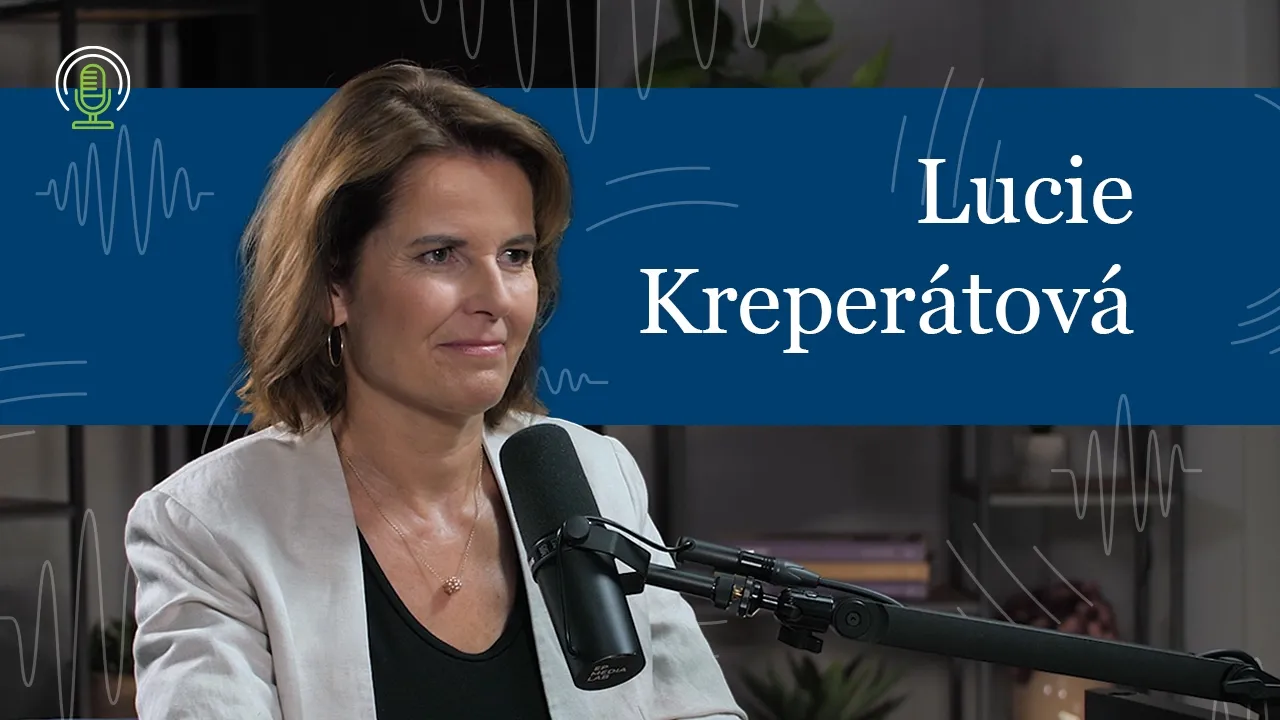
05.10.2026
From Banker to Advisor: What It’s Like to Start from Scratch After 20 Years
Ing. Lucie Kreperátová


10.09.2026
A Well-Planned Business Owner’s Reserve: Idle Cash or Peace of Mind?
Ing. Marek Jůzl, EFP
19.08.2026
From Elite Sports to Financial Freedom: Why Is It Crucial to Listen to What the Client Isn’t Saying?
Petr Seibot
18.08.2026
Young People and Homeownership: An Unattainable Dream or a Matter of Planning?
Ondřej Marek



05.08.2026
How Investment Selection Reveals Whether a Financial Advisory Firm Is Truly Independent
Ondřej Marek
21.07.2026
Summer is full of great experiences. Just don't let any of them become unnecessarily expensive.
Ing. Tomáš Matucha
12.10.2026
The Challenges of Buying a Third Property: How Financing Rules Are Changing?
Mgr. Petra Šichová
05.10.2026
From Banker to Advisor: What It’s Like to Start from Scratch After 20 Years
Ing. Lucie Kreperátová19.08.2026
From Elite Sports to Financial Freedom: Why Is It Crucial to Listen to What the Client Isn’t Saying?
Petr Seibot05.08.2026
How Investment Selection Reveals Whether a Financial Advisory Firm Is Truly Independent
Ondřej Marek21.07.2026