
A Well-Planned Business Owner’s Reserve: Idle Cash or Peace of Mind?

Business owners typically see money as capital that should be put to work. But a financial reserve is not there to generate returns. It is there to buy you time.
Time to weather a drop in orders, pay your employees, cover an unexpected expense, or make an important decision without pressure. That is precisely why a business owner’s financial plan should include two separate reserves: one for the company and one for the owner personally.
How much does your company need?
A company’s reserve should not be calculated based on revenue, but on essential monthly expenses. These typically include:
- salaries and payroll costs,
- rent and utilities,
- loan and lease repayments,
- key suppliers,
- taxes and other mandatory payments.
A stable company with predictable income may be comfortable holding a reserve equivalent to approximately three months of operating expenses. A business that depends on seasonality, a few major clients, or heavily on the owner personally should consider closer to six months.
Example: If a company’s essential expenses are CZK 250,000 per month, a reasonable operating reserve could be approximately CZK 750,000 to CZK 1,500,000.
Company money is not your personal reserve
A company may have CZK 1 million sitting in its bank account, yet its owner may still lack personal financial security. Company funds are there to serve the business, and transferring them into personal assets is also subject to legal and tax rules.
Alongside your company’s financial cushion, you therefore need a personal reserve as well—ideally enough to cover three to six months of essential household expenses. The more your family depends on income from the business, the more important this reserve becomes.
Only funds exceeding both reserves can be safely allocated to business growth, debt repayment, and long-term investments that build wealth outside the company.
Does the entire reserve need to sit in a current account?
No. The portion needed for immediate access can remain in a current account, while another portion can be held in a savings account or another conservative, highly liquid instrument.
A reserve, however, does not belong in stocks, long-term investment funds, or real estate. If its value can fluctuate significantly or the money cannot be accessed quickly, it ceases to function as a true reserve.
Peace of mind has value too
Yes, holding too much cash over the long term erodes its value and can slow wealth creation. But having too little in reserve can lead to expensive borrowing, selling investments at the wrong time, or making decisions under pressure.
The goal, therefore, is not to keep as much money as possible in the bank. It is to know the amount that gives both your company and your family sufficient time and stability—and to put everything above that threshold to work.
Quick check: Is your reserve set up correctly?
- You know your company’s and household’s essential monthly expenses.
- You keep your business and personal finances genuinely separate.
- Your reserve is readily accessible and does not fluctuate significantly in value.
- You regularly reassess the amount based on your current expenses.
Do you know exactly how many months your company and household could manage today if your income stopped overnight?
If you are unsure whether your financial reserve is set up correctly, get in touch with us. Together, we can determine the right amount and structure for your reserve—giving you sufficient financial security without unnecessarily limiting the growth of your wealth.

Stone & belter blog
Similar articles
Category



12.10.2026
The Challenges of Buying a Third Property: How Financing Rules Are Changing?
Mgr. Petra Šichová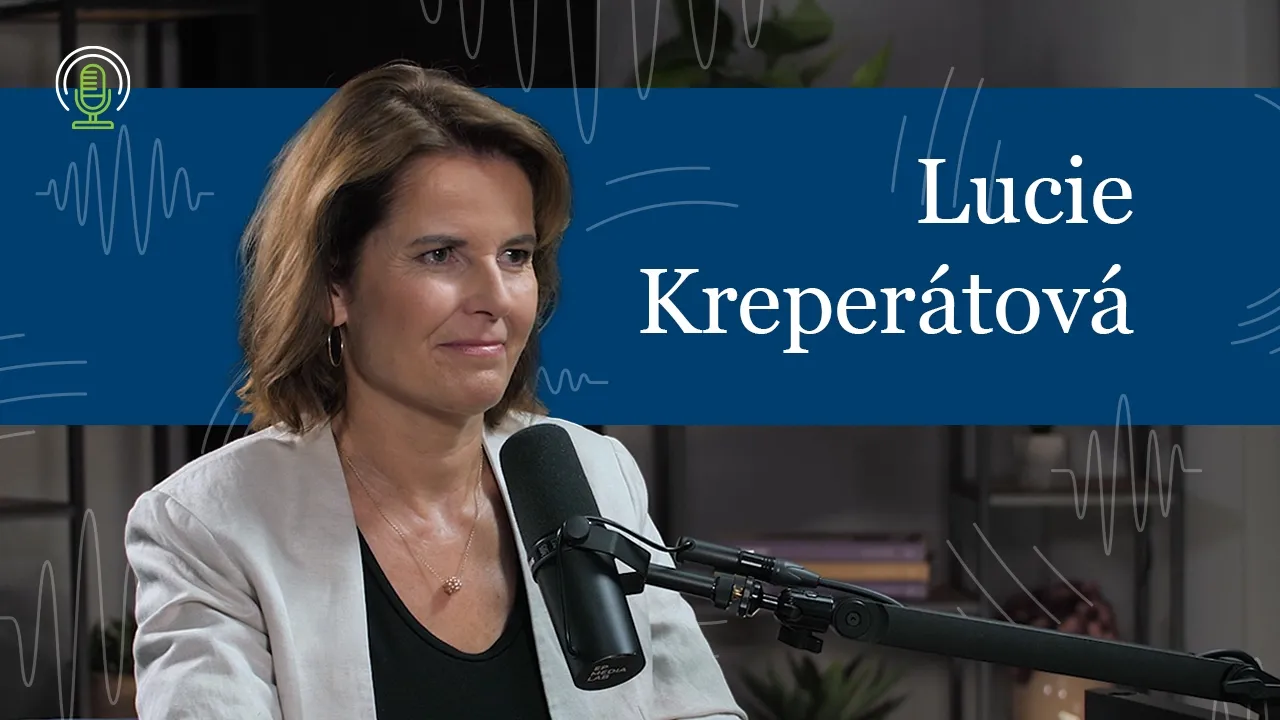
05.10.2026
From Banker to Advisor: What It’s Like to Start from Scratch After 20 Years
Ing. Lucie Kreperátová


10.09.2026
A Well-Planned Business Owner’s Reserve: Idle Cash or Peace of Mind?
Ing. Marek Jůzl, EFP
19.08.2026
From Elite Sports to Financial Freedom: Why Is It Crucial to Listen to What the Client Isn’t Saying?
Petr Seibot
18.08.2026
Young People and Homeownership: An Unattainable Dream or a Matter of Planning?
Ondřej Marek



05.08.2026
How Investment Selection Reveals Whether a Financial Advisory Firm Is Truly Independent
Ondřej Marek
21.07.2026
Summer is full of great experiences. Just don't let any of them become unnecessarily expensive.
Ing. Tomáš Matucha
12.10.2026
The Challenges of Buying a Third Property: How Financing Rules Are Changing?
Mgr. Petra Šichová
05.10.2026
From Banker to Advisor: What It’s Like to Start from Scratch After 20 Years
Ing. Lucie Kreperátová19.08.2026
From Elite Sports to Financial Freedom: Why Is It Crucial to Listen to What the Client Isn’t Saying?
Petr Seibot05.08.2026
How Investment Selection Reveals Whether a Financial Advisory Firm Is Truly Independent
Ondřej Marek21.07.2026